
Beautiful Plants For Your Interior
Beautiful Plants For Your Interior

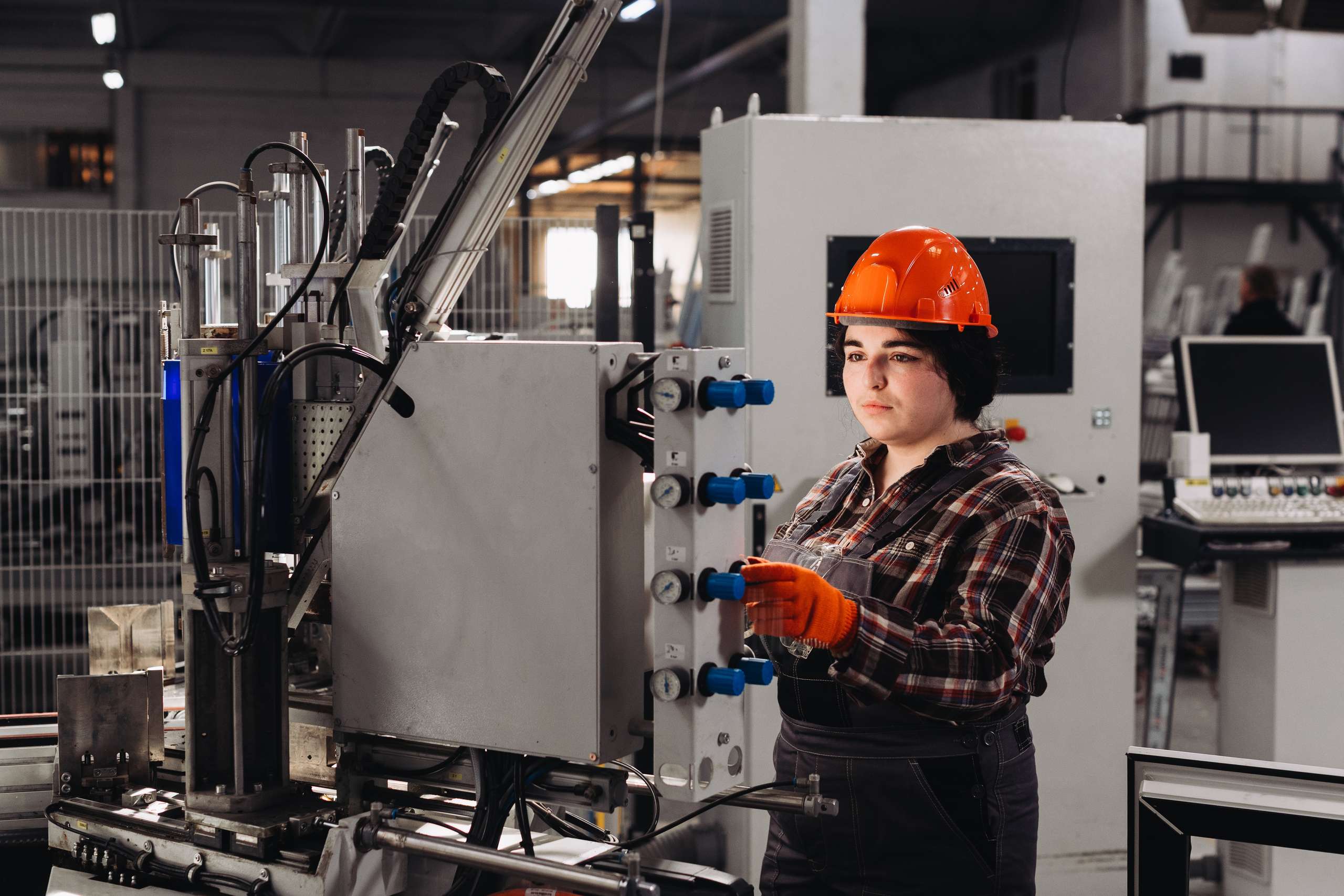
Uneven edges occur when you are still learning to control your tool’s movement, and they can make it difficult for parts to join properly. Instead of dismissing these rough edges as minor defects, see them as a signal that your technique needs improvement. In fact, the edge can give you clues about exactly what you did wrong, whether that’s a sudden change in force, a change in angle, or simply pausing during the cut.
Start by taking a piece of flat material and draw several lines across it. Try making edges that not only follow the line, but also match one another. As you follow the line with your tool, don’t speed up just to get to the end. Notice how the material reacts at different spots, especially the beginning and the end of the cut. Try to finish every edge, no matter what, even if the edge strays from the line. This way, the next cut gives you better feedback.
Often the first mistake to make in this phase is changing direction as soon as you start to go off the line. But you end up with a rougher edge. You have to steer your tool back gradually rather than abruptly changing the direction of your hand.
Another problem is that the pressure isn’t even during the whole cut; you’re in control at first, then you speed up. You can practice a forward movement with the same pace that you apply to the edges, so that your tool maintains the same speed through the whole cut.
Set aside some time to do this everyday. Try to focus on the edge and not the speed. Prepare a few straight guides, then cut a few times in sequence. After each round, use a single finger to lightly feel along the edges for inconsistencies. This feels better than a visual inspection because edges that look fine by eye can be bumpy when touched. Adjust your grasp, angle, or speed as necessary and keep going.
If you are still struggling to create a consistent edge, try a smaller part of the edge, only the first few centimeters, for example, or just the end of the cut. Slow down on that specific segment and see if that helps you get a better edge. Sometimes you can only find where you are losing control once you break up the cut.
As your edges improve, so will everything else. Your parts will join more easily and fit better. Your assemblies will be more stable. Your rework will become less need for rework. Your once-punitive exercise becomes a positive habit that keeps your production consistent. It’s much easier to maintain consistency than it is to fix problems once they happen, which makes it a more natural process and less of a reactive one.